Dental Resorption: A Deep Dive Into Causes, Types, and Treatment Strategies for Fractured Teeth
Source: Dr. Marketing
Dental resorption is a topic rarely brought up in everyday dental conversations, but it is actually common among those who have had oral injury or infection. The body slowly breaks down the tooth and eventually dissolves the tooth’s root structure. In this blog post by Barclay Family Dental, we discuss dental resorption in fractured teeth, covering their different types, underlying causes, and the treatment options available to you to preserve teeth before it may be too late.
What is Dental Resorption?
Dental resorption occurs when the body starts to absorb the tooth after it has been damaged. It is the progressive loss of tooth roots and a lot of times there may be no signs or symptoms. This occurs because the body begins to reject a tooth for various reasons which could be caused by infection, tooth movement from orthodontic treatment (braces), impacted teeth, or even chronic teeth grinding.
Dental resorption may or may not be painful and can also lead to further complications if left untreated. It is important to reach out to us at Barclay Family Dental in Cherry Hill if you suspect you have dental resorption on a broken tooth. Our dentists can provide you with treatment options to help preserve your oral health and alleviate any discomfort you may be experiencing.
Remember, early intervention for treatment is key to preventing further damage, so do not hesitate to schedule an appointment with us for a thorough evaluation.
Types of Dental Resorption
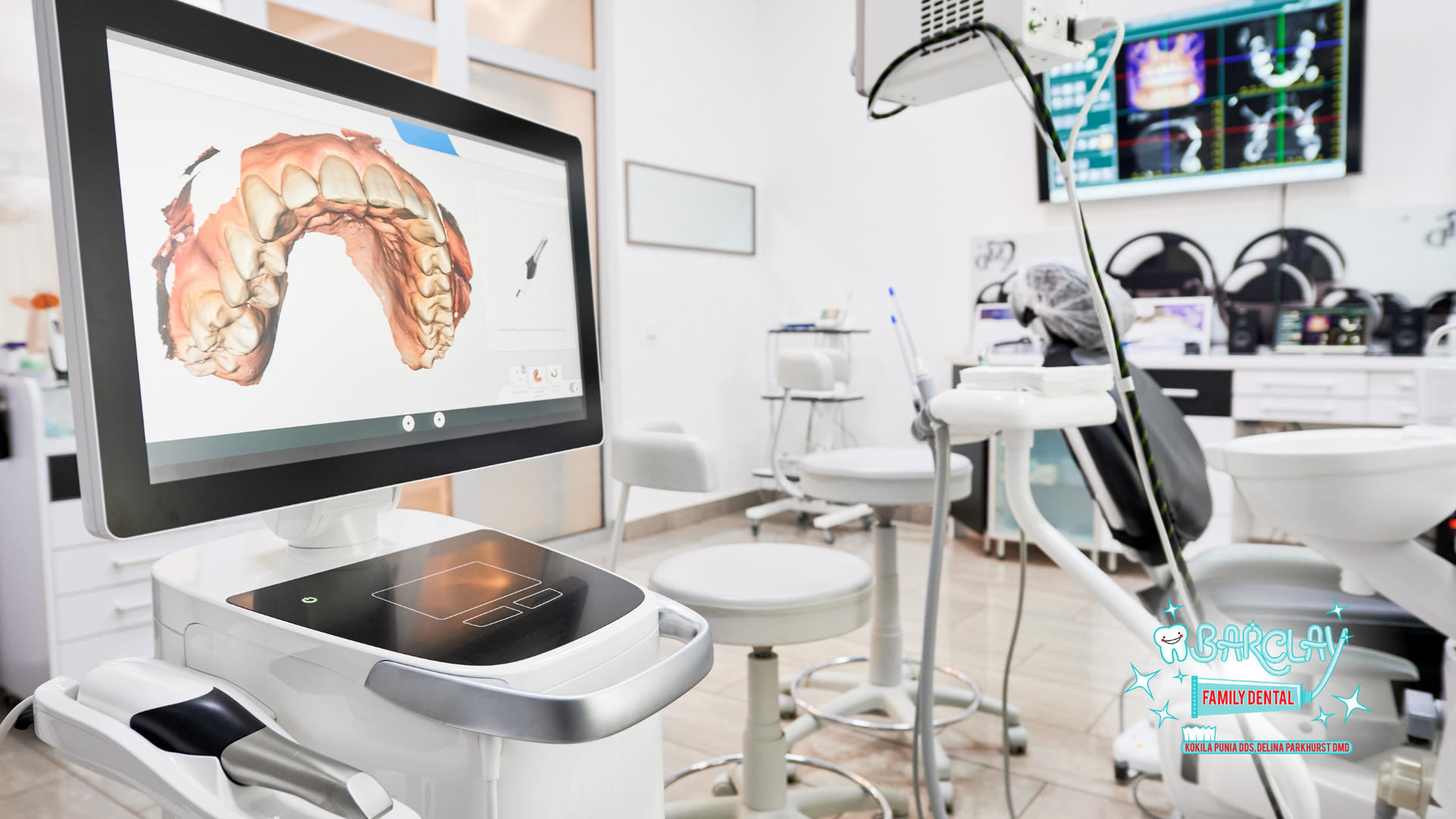
When we see a patient to determine dental resorption of a fractured tooth there are a few things we will do during an examination. We will start with a physical examination of the tooth and take an X-ray to see what is below the gum line. Next, we will talk about your dental history and any injuries you may have had. Some procedures may also be done such as a hot/cold test or a pulp test to see how the pulp (root) of the tooth reacts. This will determine the best diagnosis to treat the tooth. There are two types of dental resorption: internal resorption and external resorption which we will explain here:
Internal Resorption
Internal resorption occurs within the tooth structure itself, usually due to trauma, infection, or dental procedures. This starts in the root (pulp) of the tooth and slowly starts deteriorating from the inside. This type of resorption can weaken the tooth from the inside out, leading to potential tooth loss if left untreated.
External Resorption
External resorption, on the other hand, is more common. It occurs on the outer surface of the tooth and is often associated with factors like gum disease, orthodontic treatment, or impacted teeth. You may notice visible chips or deep holes on the outer surface of the tooth. It is essential to detect and address external resorption early to prevent further damage to the tooth structure.
Both types of dental resorption require professional dental evaluation and treatment. Regular dental check-ups and good oral hygiene practices with us can help prevent the progression of dental resorption and maintain overall dental health. You can contact us at (856) 288-3708.
What is Normal Tooth Resorption?
Normal tooth resorption is a natural process in which the body breaks down and absorbs older or damaged tooth structures to make way for new, healthy teeth to emerge. This process typically occurs when adult teeth are replacing a child's baby teeth.
Dental resorption on baby teeth is a normal part of dental development, but when this occurs in adult teeth this is a sign of tooth injury or infection. The exact causes are not always easy to determine but the loss of bone and tissue around the tooth occurs. It is important to call us at Barclay Family Dental if you have questions so we can assess your dental concerns with you.
Causes of Tooth Resorption
As discussed earlier, tooth resorption in permanent adult teeth occurs due to various factors such as trauma, orthodontic treatment, or even certain medical conditions. Here are some symptoms to watch out for:
- redness/inflammation of the gum's
- brittle teeth that chip easily
- pink/dark spots on teeth
- discoloration of teeth
- tooth pain
- temperature sensitivity
- cavity-like holes on teeth
- recession of root
Treatment Options for Tooth Resorption
It is important to address tooth resorption promptly to avoid potentially serious consequences. Neglecting treatment could lead to issues such as infections, teeth misalignment, and tooth loss, resulting in lasting damage to the teeth and potential jaw complications.
Now we will explore the most suitable methods for preserving a tooth affected by resorption. Our dental team in Cherry Hill, New Jersey will discuss various options tailored to your specific needs:
Root Canal Treatment
Also known as “endodontic treatment” is when the root or “pulp” of the tooth is cleaned out, filled in, then sealed. This method is widely used by our dental team to preserve a salvageable tooth. It is a safe and efficient procedure that is commonly performed with minimal to no discomfort.
Extractions
Sometimes the tooth is not salvageable and needs to be taken out. At this point, there are a couple different options which include a bridge or a dental implant.
Crowns
Crowns are utilized when a significant portion of the tooth structure remains after eliminating decay or damage. This helps to repair and restore tooth structure. If this treatment is deemed suitable for you, the tooth is prepared and customized for a permanent crown to restore its structure.
Gum Surgery
"Periodontal surgery" involves gently removing gum tissue near the root tip to reach the tooth's base. This procedure is performed on the outer gum surface (buccal surface) above the affected tooth, allowing for the root to be treated. It promotes the regeneration of healthy tissue and bone structure.
Implants
When a root has severe resorption, a very popular and safe alternative is to have an extraction and implant placed. The reason is a titanium post is secured in the jawbone and acts like a normal tooth. The post stimulates the growth of bone and tissue around it making it secure and preventing resorption. It looks and acts like a natural tooth.

If you suspect dental resorption or experience dental pain, don't hesitate to contact us for a comprehensive examination. Early diagnosis and treatment significantly increase the likelihood of saving your tooth and averting additional damage. Our dedicated dental team at Barclay Family Dental in Cherry Hill is experienced and equipped to provide you with the care you need. Feel free to reach out to us today if you have any inquiries or concerns. Our team is here to guide you every step of the way, offering support and personalized treatment options to ensure your dental health and well-being. Your oral health is our top priority, and we are committed to helping you achieve a healthy, beautiful smile.
Share
Recent Posts