Dental Implant Discomfort? What It Could Be Telling You
Source: Dr. Marketing
Dental implants are known for being one of the most reliable and long-lasting solutions for missing teeth—but even the best restorations need attention if something feels off. A dental implant should never feel loose or cause ongoing pain. If it does, your mouth may be trying to tell you something important.
At Barclay Family Dental in Cherry Hill, we believe that educating patients about warning signs is just as important as the treatment itself. Whether your implant was placed recently or years ago, here is what you need to know about recognizing red flags and acting before minor issues become major complications.
Understanding Dental Implants: What Should They Feel Like?
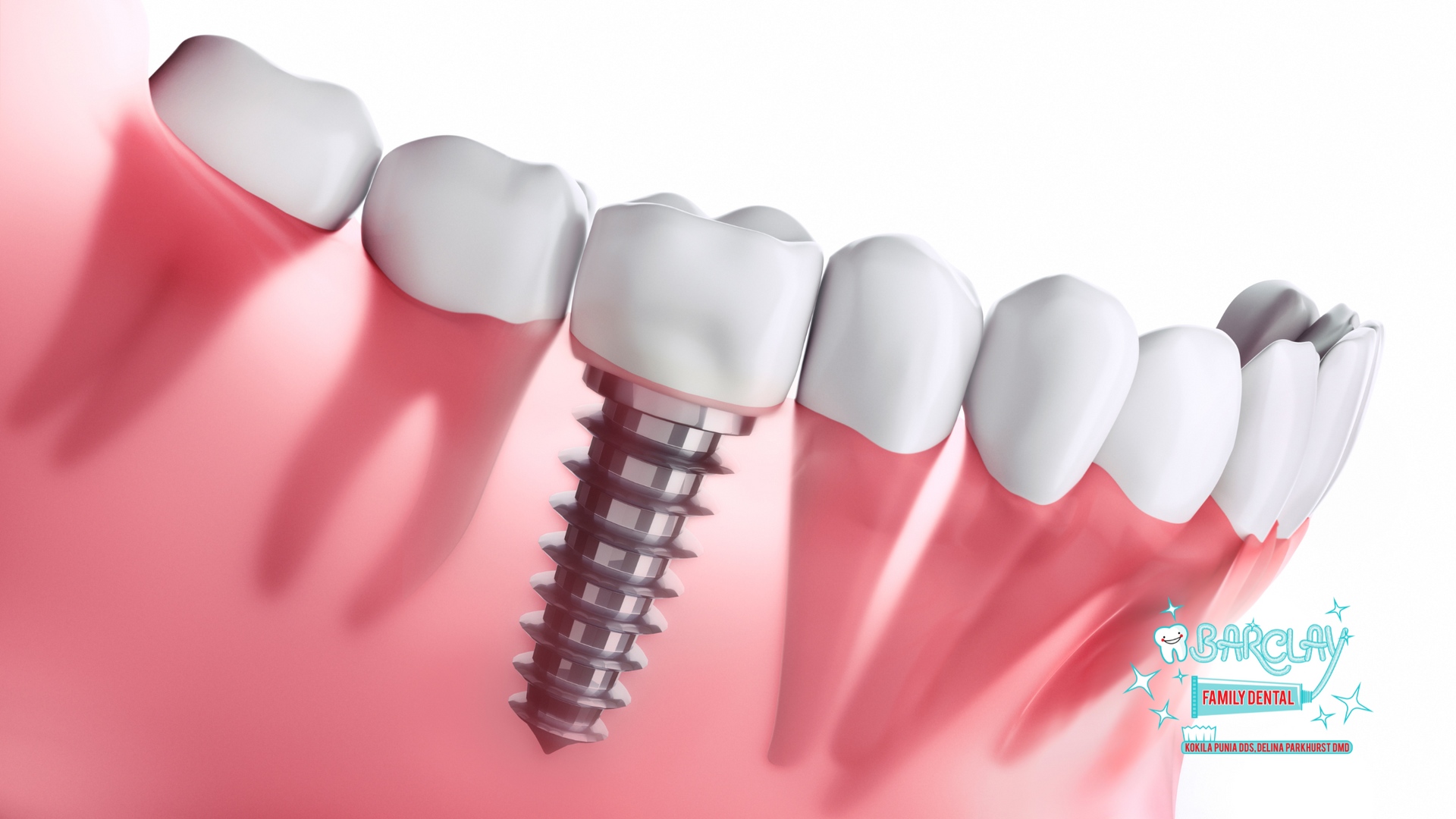
Before we talk about warning signs, let us talk about what is normal. A properly placed dental implant becomes integrated into your jawbone through a process called osseointegration. Once healing is complete, the implant should feel just like a natural tooth root—it should not wiggle, shift, or cause chronic discomfort.
The crown or bridge attached to the implant may take a little getting used to, especially if it is part of a full arch restoration. But once you have adjusted, the implant should feel stable and pain-free. If that is not the case, it is time to listen to your body.
Red Flag #1: Your Dental Implant Feels Loose

If your implant feels wobbly or moves when you eat or touch it, that is a clear sign that something is not right. But it is not always the implant itself.
What might be happening:
- Loose Abutment or Crown: In some cases, the crown or connecting abutment may have loosened, not the implant. This is often a quick fix, but it needs attention to avoid damage to the implant underneath.
- Bone Loss or Failed Osseointegration: If the implant body itself is moving, it may not have integrated properly with the bone, or the surrounding bone may be breaking down over time. This can happen due to infection, poor oral hygiene, smoking, or underlying medical conditions.
- Excessive Bite Force: Grinding or clenching (known as bruxism) puts excessive pressure on implants and can compromise their stability over time. A nightguard may be needed to protect your investment.
- What to do: Never attempt to “wait it out.” A loose implant needs evaluation as soon as possible. Delaying treatment can lead to worsening bone loss and, in some cases, complete implant failure.
Red Flag #2: You are Experiencing Persistent Pain

It is normal to experience some tenderness after implant placement, especially in the first few days. But pain that lingers for weeks—or appears years after placement—needs to be investigated.
Possible causes of pain around an implant include:
- Peri-implantitis: This is one of the most common reasons implants fail. It is an inflammatory condition that affects the soft tissue and bone around an implant, similar to gum disease. Without intervention, it can lead to bone loss and implant instability.
- Improper Placement or Bite Issues: If the implant was not placed at the correct angle or is being overloaded due to bite misalignment, it can create tension and pain in the jaw or surrounding teeth.
- Nerve Involvement: In rare cases, if an implant is placed too close to a nerve, it can cause shooting or radiating pain. This is why precise diagnostics and imaging are critical before placement.
- Infection: Any infection around the implant can cause swelling, discomfort, or even pus around the site. If you also notice a bad taste in your mouth or fever, call us.
Pain is your body’s alarm bell. Do not ignore it—even if it seems manageable.
Red Flag #3: Gum Inflammation, Bleeding, or Pus

Healthy gums around an implant should appear pink and firm. Signs of infection, like bleeding when brushing, swelling, pus, or gum recession, point to inflammation, often linked to peri-implantitis.
Even mild gum inflammation should not be brushed off. The tissues around implants are slightly different than those around natural teeth—they do not regenerate as easily, making early intervention crucial.
Red Flag #4: Difficulty Chewing or Sensitivity
You should be able to eat comfortably with your implant once healing is complete. If you are avoiding certain foods, experiencing pressure sensitivity, or feeling like your bite is “off,” it may indicate a problem with how the implant crown is aligned—or something more serious happening below the surface. Possible causes:
- Overloaded implant
- Loose crown or abutment
- Underlying infection or bone loss
- Changes in neighboring teeth that shift your bite
Red Flag #5: Your Dental Implant Just Does not
“Feel Right”
This one might seem vague, but your intuition matters. Many patients report that they “just knew something was off,” even before pain or loosening occurred. Whether it is discomfort when flossing, a change in the way your teeth come together, or a sudden shift in how the implant feels when you bite down—trust that feeling.
How to Protect Your Implant Investment
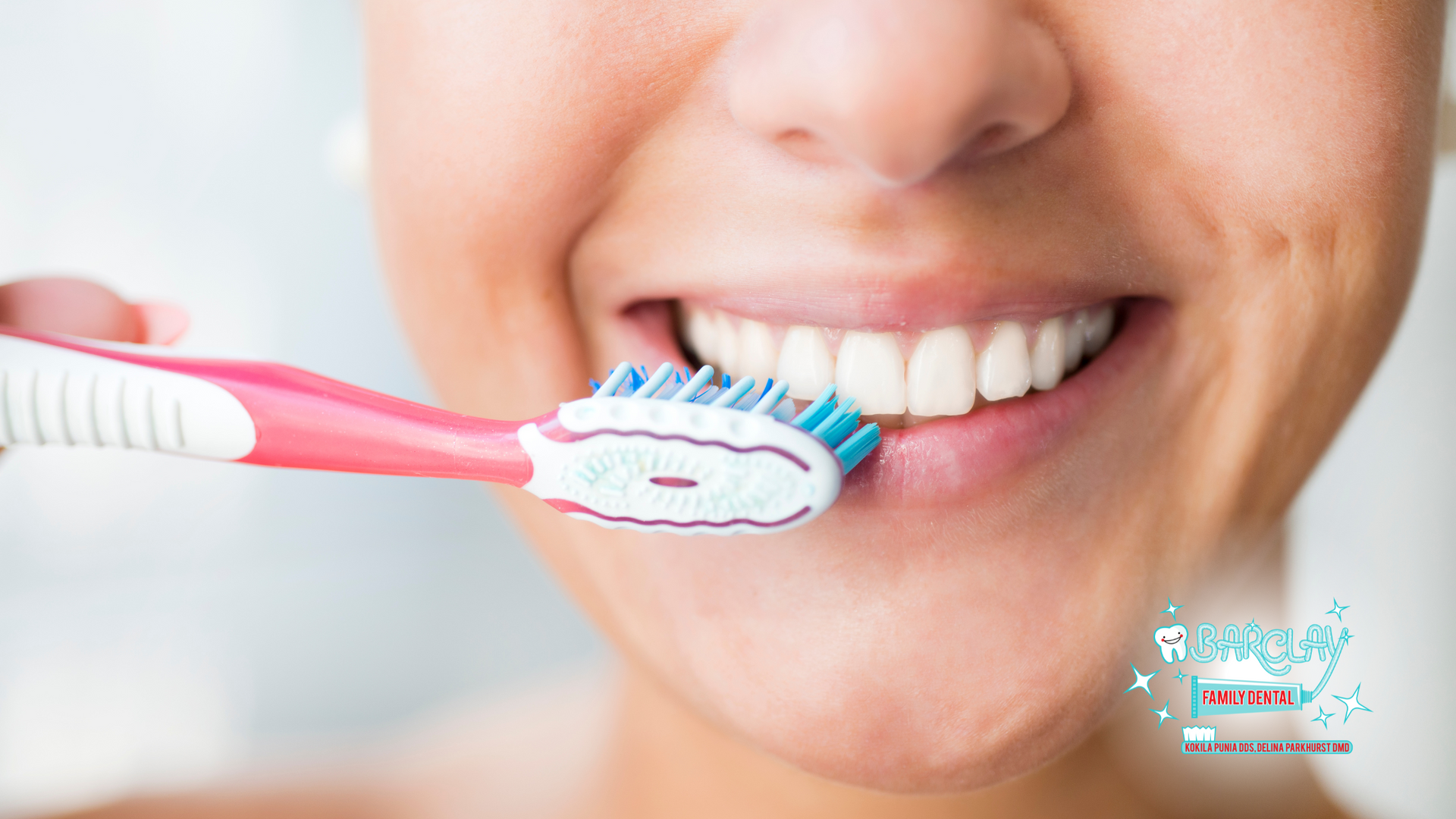
Once placed, implants can last 10–30 years or more—but that longevity depends on how well you care for them. Here is what we recommend at Barclay Family Dental in Cherry Hill to preserve your implant for the long haul:
- Commit to daily care: Brush twice a day and floss daily. Consider using interdental brushes or a water flosser around implants.
- Schedule regular cleanings: Professional cleanings every 3–6 months can help remove plaque and monitor for early signs of trouble.
- Quit smoking: Smoking dramatically increases the risk of implant failure.
- Watch for grinding/clenching: If you grind your teeth at night, ask us about a custom nightguard.
- Be proactive: If something feels off, reach out to your dental team. Early treatment is always more effective.
Do not Wait to Speak Up

Dental implants are life-changing for many patients, offering freedom from dentures and restoring full function and aesthetics. But like any investment in your health, they require care, awareness, and timely intervention when problems arise.
At Barclay Family Dental in Cherry Hill, we are here to help you maintain your implant and protect your smile for years to come. If you notice any of the red flags mentioned above—or just want peace of mind—do not hesitate to schedule a visit. Listening to your mouth could be the most important decision you make for your health today.
Share
Recent Posts